


Introduction to Heat Training
Heat training goes beyond temperature. It involves understanding heat strain — a complex interplay of environment, physical exertion, and personal limits. This is crucial for athletes, particularly in contact sports like football, where heat-related challenges are prominent. Recognizing these factors can enhance performance and safety.
Recognizing Heat Strain
Understanding heat strain is vital for athletes. Several factors can intensify perceived temperature, including humidity, sunlight exposure, and the gear athletes wear. Personal uniforms impact sweat evaporation and heat dissipation. Additionally, the psychological toll of training in heat can diminish performance and alter focus, requiring mental preparedness along with physical conditioning.
Physiological Impact on Athletic Performance
Heat can wreak havoc on cardiovascular systems and muscle efficiency. When body temperature rises, fatigue levels increase, leading to subpar performance. It's a myth that short-term heat exposure benefits explosive athletes like sprinters. In reality, repeated exposure allows for heat adaptation, improving overall performance and endurance.
Strategies for Pre-Training Preparation
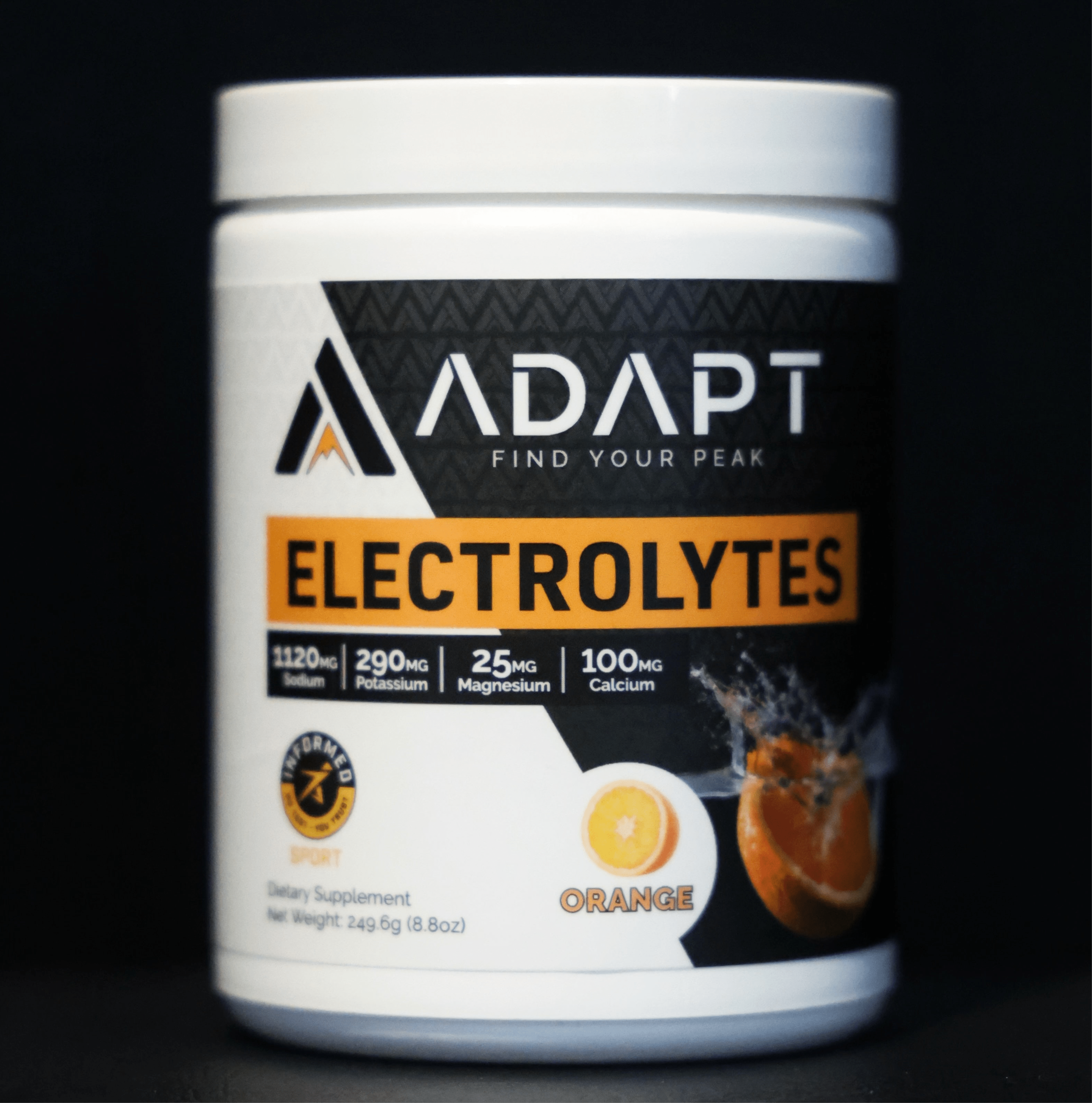
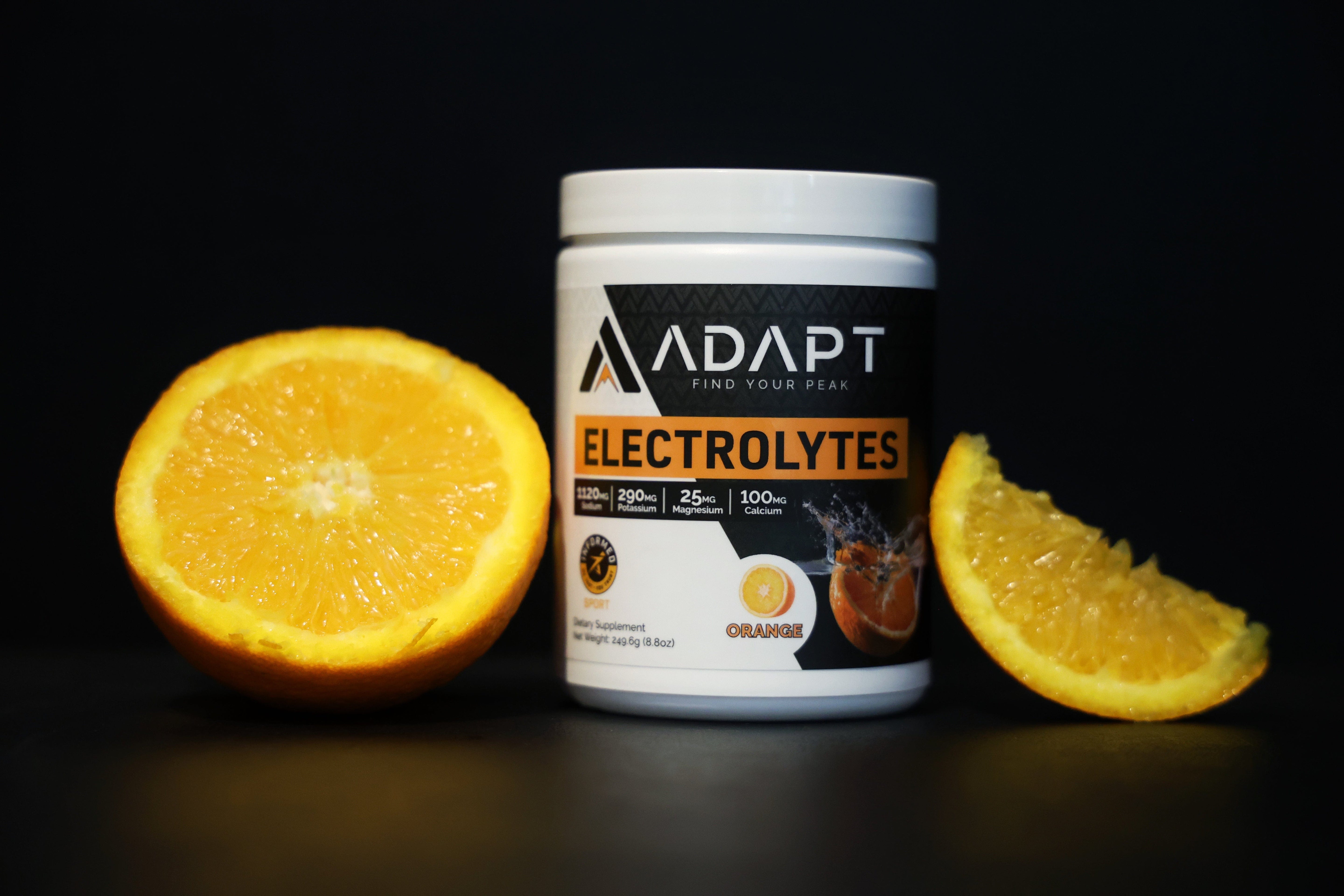
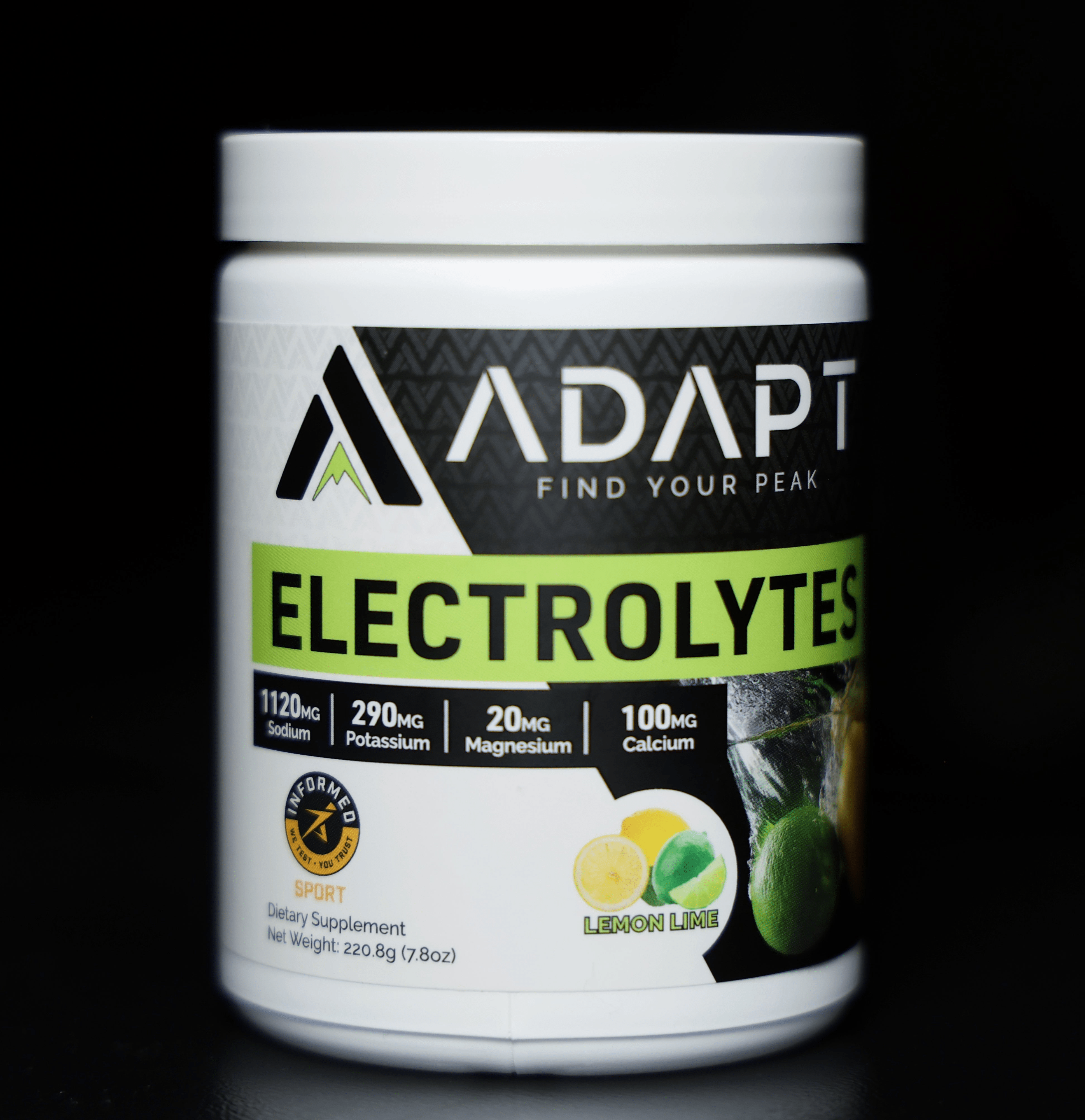
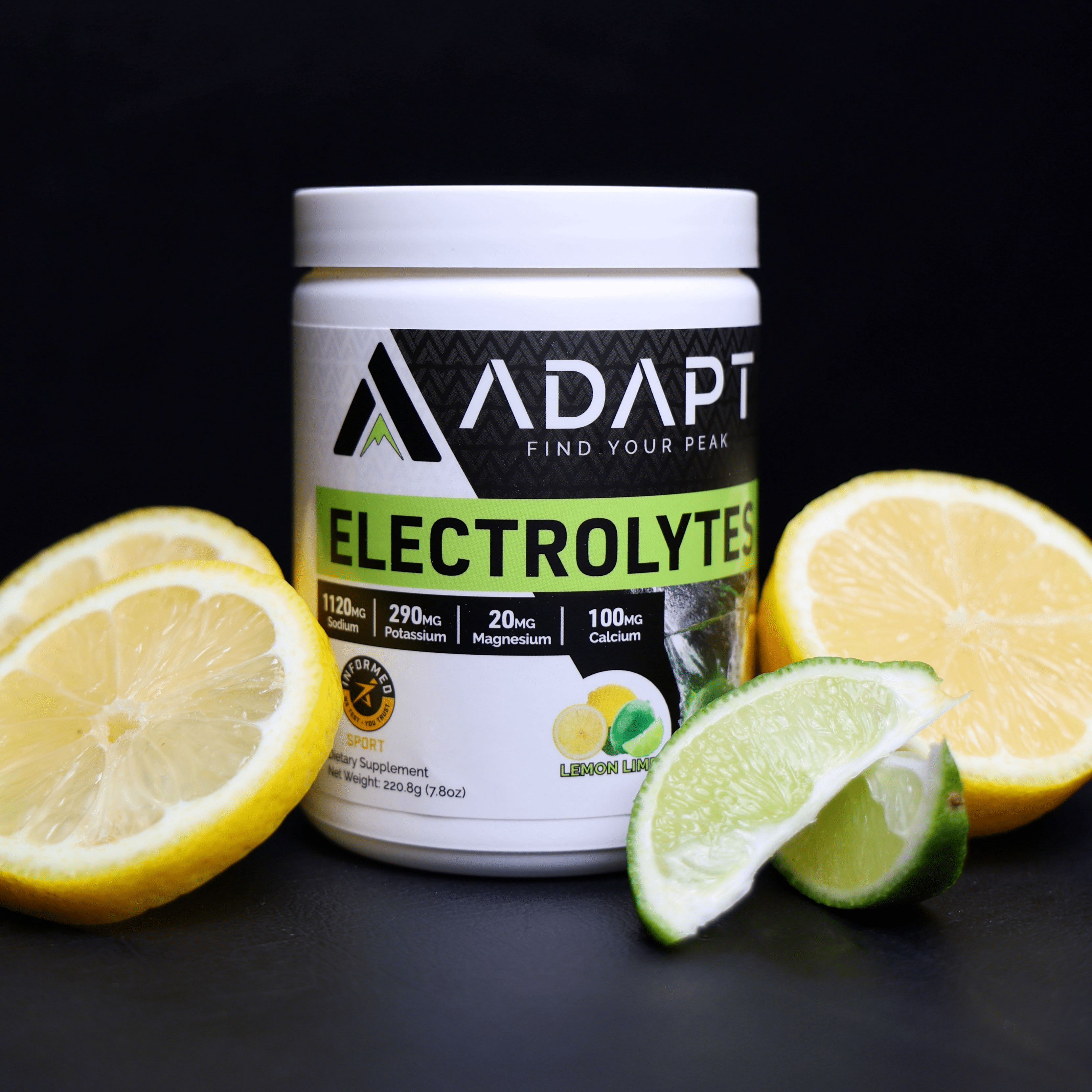
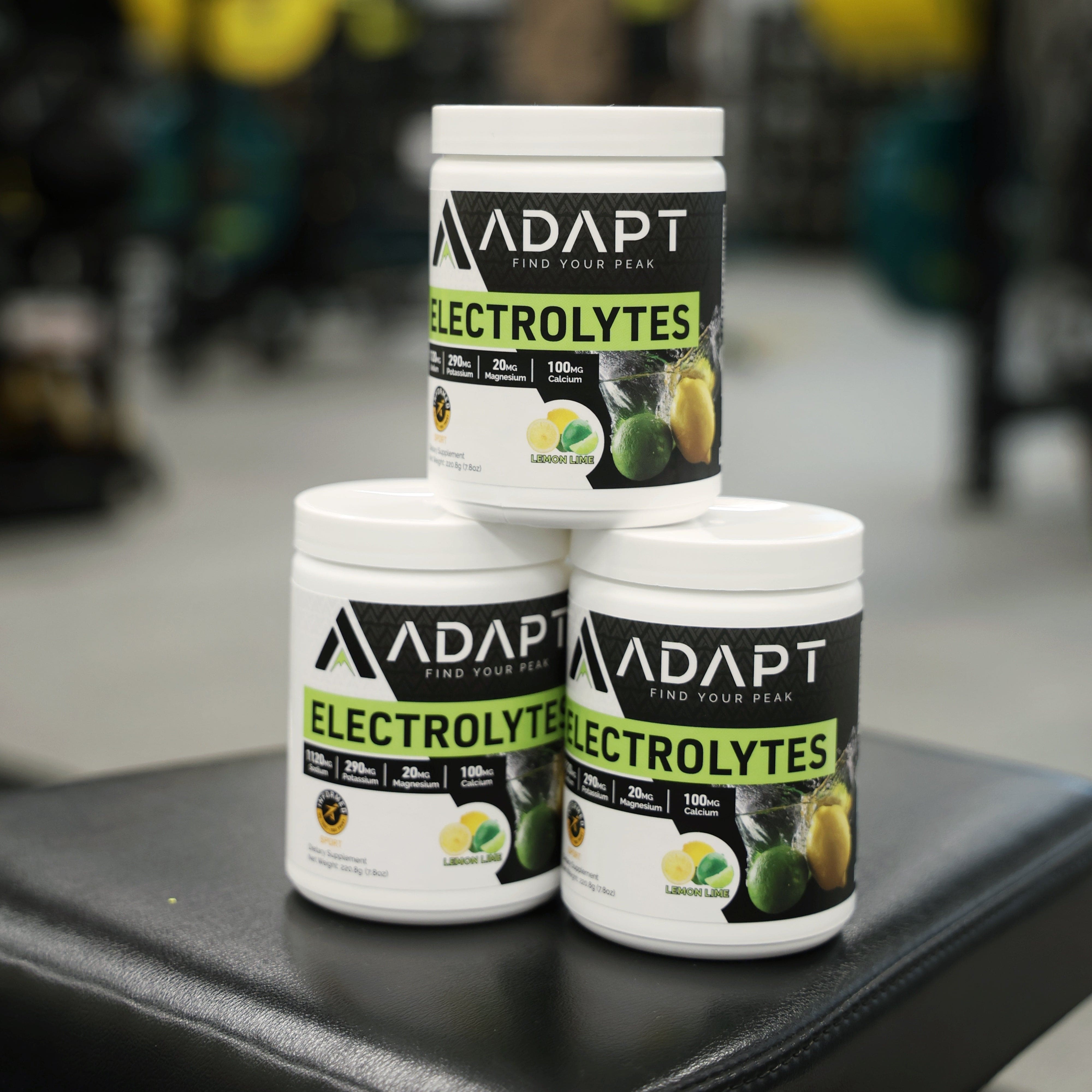
Before heading out, athletes must prioritize hydration. Monitoring urine color is a simple yet effective way to gauge hydration levels. Advanced techniques, such as sodium loading, help athletes prepare for high-sweat scenarios. Personalizing hydration strategies based on sweat rates and environmental conditions ensures athletes remain hydrated. Additional nutrients like electrolytes and carbohydrates can provide that extra boost.
Hydration Practices During Training
Maintaining hydration is crucial to prevent more than 2% body mass loss. Flavorful hydration beverages and electrolyte additions can enhance consumption. However, be mindful of overhydration risks. Watch for symptoms like water retention, which can hinder performance. Research shows carbohydrate-rich beverages have benefits over plain water during intense exertion for energy sustainability.
Effective Post-Training Recovery Techniques
Post-training recovery hinges on proper hydration strategies. Aim to replace 150% of the fluids lost during workouts to promote faster recovery. Effective nutritional components, like combining electrolytes with solid foods, bolster recovery. Rehydrating quickly is especially important for athletes facing multiple daily training sessions.
Nutritional Considerations in Heat Training
Carbohydrates serve a dual role—not only as energy sources but also as fluid retention enhancers. Incorporating sports drinks combined with electrolytes can optimize recovery after intense sessions. Meal timing and composition are crucial, particularly during hot training environments.
Cooling Techniques for Extreme Conditions
Explore various cooling methods to combat extreme conditions. Options like ice slurries, cooling vests, and cold towels can effectively reduce core temperature. The right timing and application are essential for these interventions to be beneficial. Furthermore, heat acclimatization provides long-term physiological adaptations that boost performance.
Sample Hydration and Recovery Plan
For example, a 175-pound football player during a practice should have a detailed hydration strategy. This includes pre-hydration, maintenance hydration, and recovery goals. Creative flavor and nutritional strategies can enhance both palatability and effectiveness, making hydration enjoyable and effective.
Trial, Adaptation, and Individual Monitoring
Continuous testing of hydration strategies is vital. Individual responses vary based on fatigue levels, menstrual cycles, and environmental factors. Balance and customization are keys to monitoring hydration, nutrient intake, and heat acclimatization.
Conclusion
Training in heat presents unique challenges that can affect performance. Understanding heat strain, optimizing hydration, and employing effective recovery techniques are essential for athletes. Proactive strategies adopted by athletes can significantly influence performance and recovery in a changing climate. Embrace personalized hydration approaches and prepare effectively for the future of athletic training.









Share:
Reflective Post-Season Strategies for Hockey Players
Unlock Your Potential: The Power of Eccentric Strength for Athletes