

Introduction
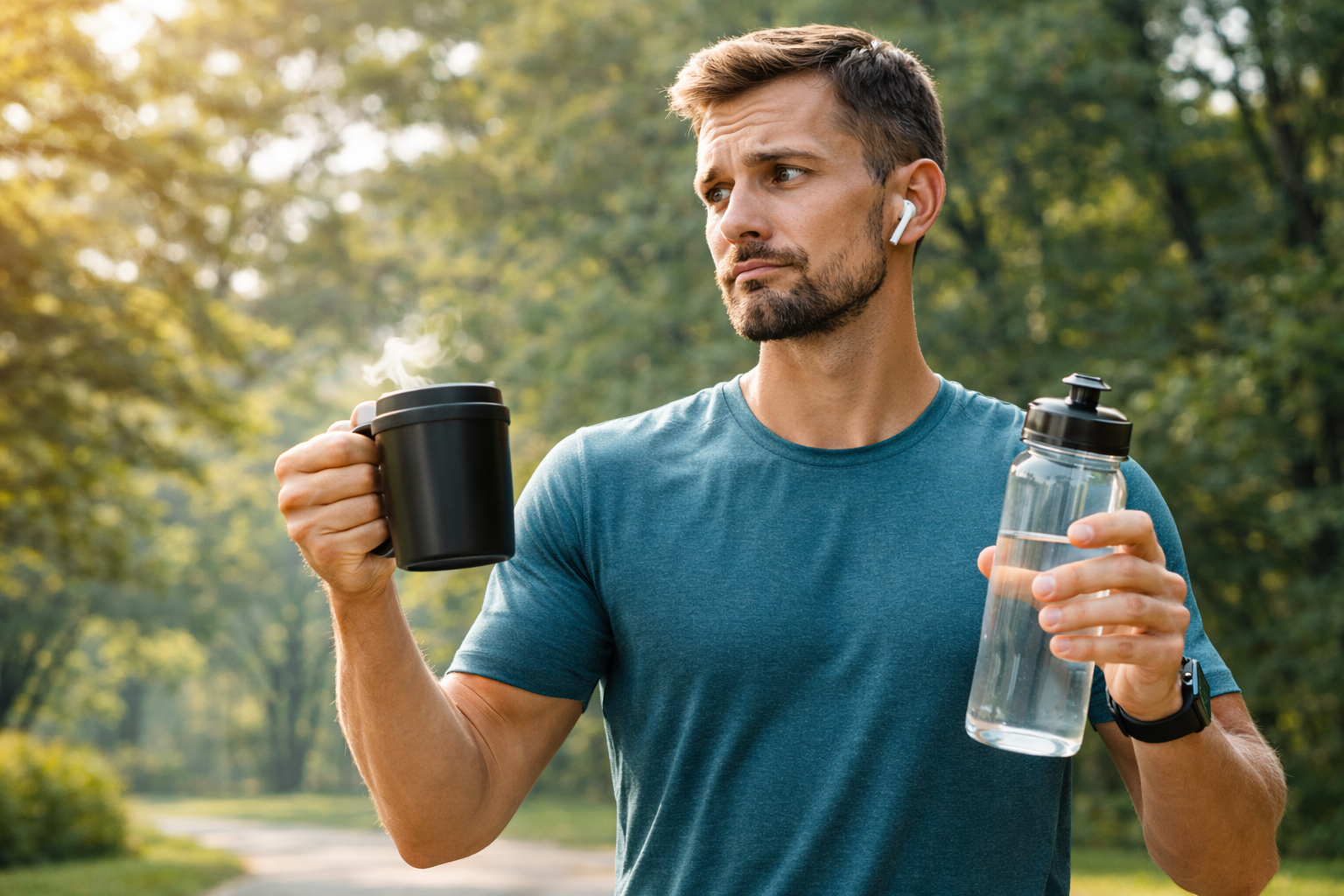
Caffeine is a daily ritual for many. It energizes us, boosts productivity, and helps us power through the day. But it's crucial to balance caffeine intake with hydration. The dual nature of caffeine is important: while it enhances wakefulness, it can disrupt sleep if mismanaged.
Caffeine’s Mechanism of Action
Caffeine works by blocking adenosine, a neurotransmitter responsible for sleepiness. This leads to increased alertness. However, individual responses vary due to genetic factors. Athletes should craft personalized caffeine strategies based on their unique metabolisms and training needs.
Timing Matters
Delaying caffeine intake for 90 minutes post-wake enhances natural energy levels. Allowing adenosine to build up can lead to sustained energy throughout the day. Be cautious, though—overconsumption can lead to crashes. Variability exists among different groups; athletes may experience different effects than the general public. Systematic reviews highlight the impact of caffeine on athletes' sleep quality, suggesting careful timing is key.
The Dark Side of Caffeine
Excessive caffeine consumption can have adverse effects. It can increase stress, anxiety, and disrupt sleep. These issues are significant for high-performance fields like sports and military. Research shows that military personnel often face caffeine-induced sleep disturbances, highlighting the need for careful management.
Caffeine and Athletic Performance
Caffeine enhances physical performance, supporting both strength and endurance. It boosts cognitive function and elevates mood with moderate consumption. Long-term benefits of caffeine include reduced risks of chronic diseases and improved mental health. It's a trusted ally for athletes looking to optimize their performance.
Mythbusting: Caffeine and Dehydration
Contrary to popular belief, caffeinated drinks do not cause dehydration. Beverages like coffee and tea can hydrate effectively despite caffeine’s diuretic properties. Moreover, compared to coffee, sports drinks can outperform in hydration, making them essential for intense workouts.
Morning Hydration Strategies
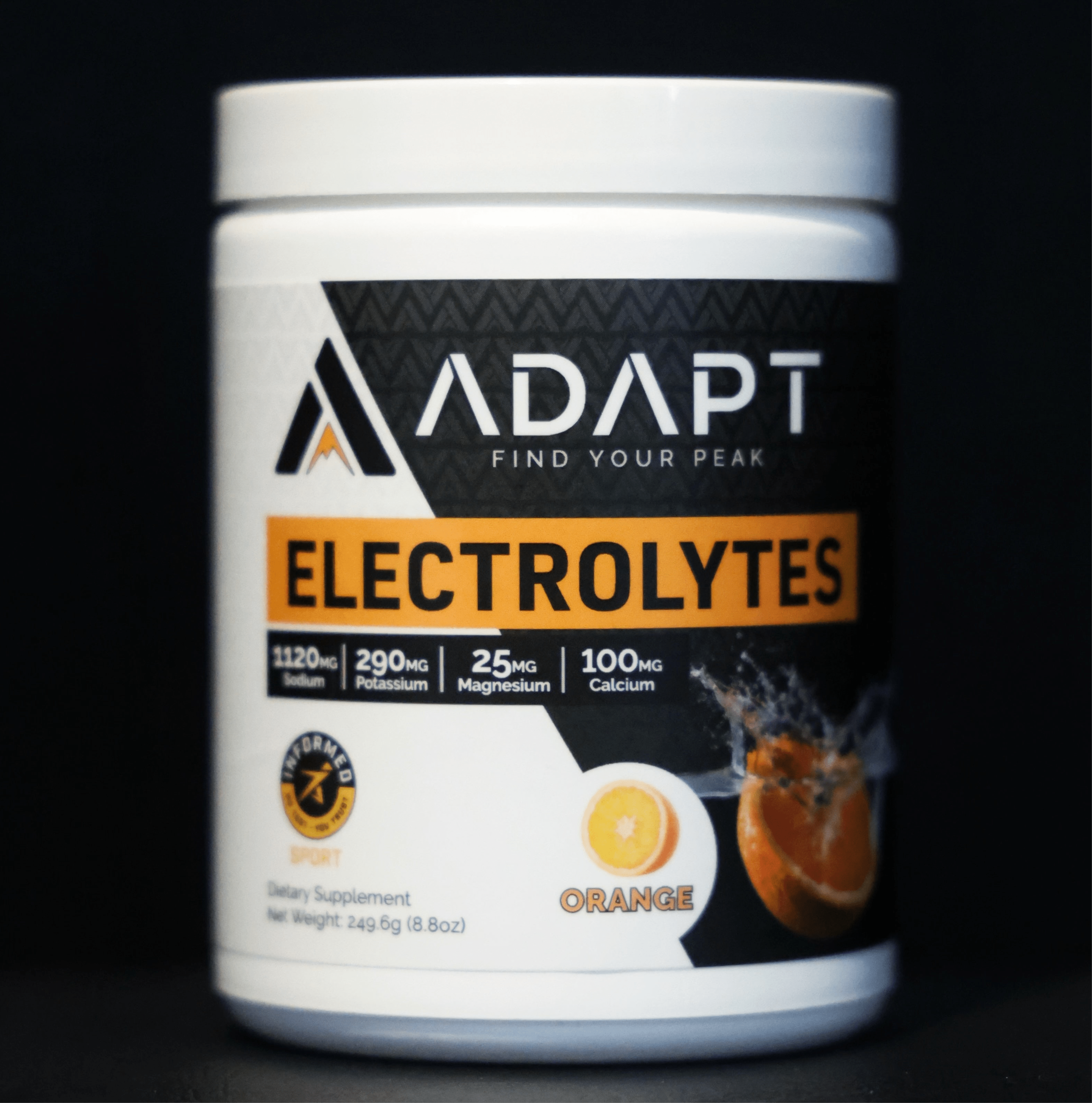
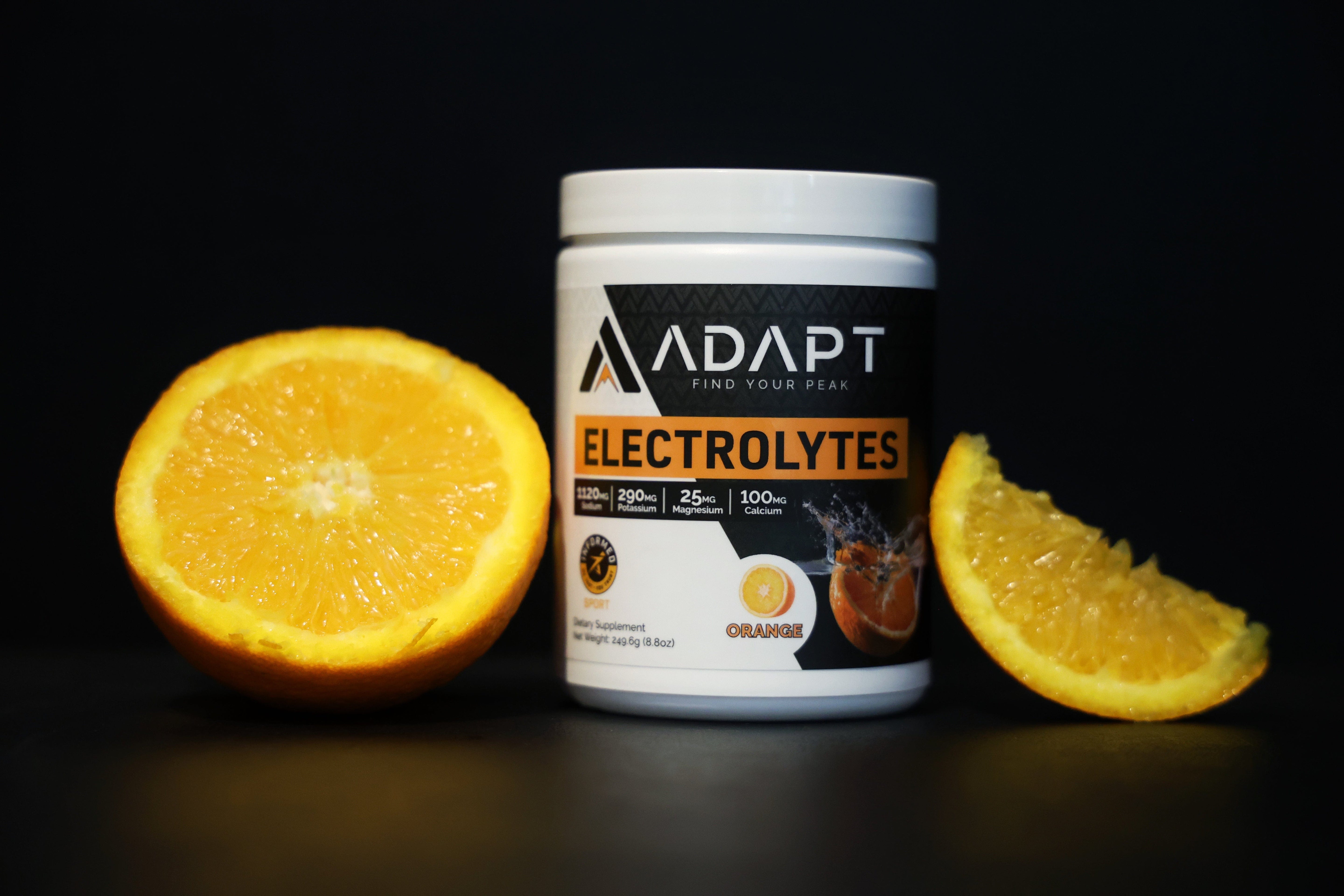
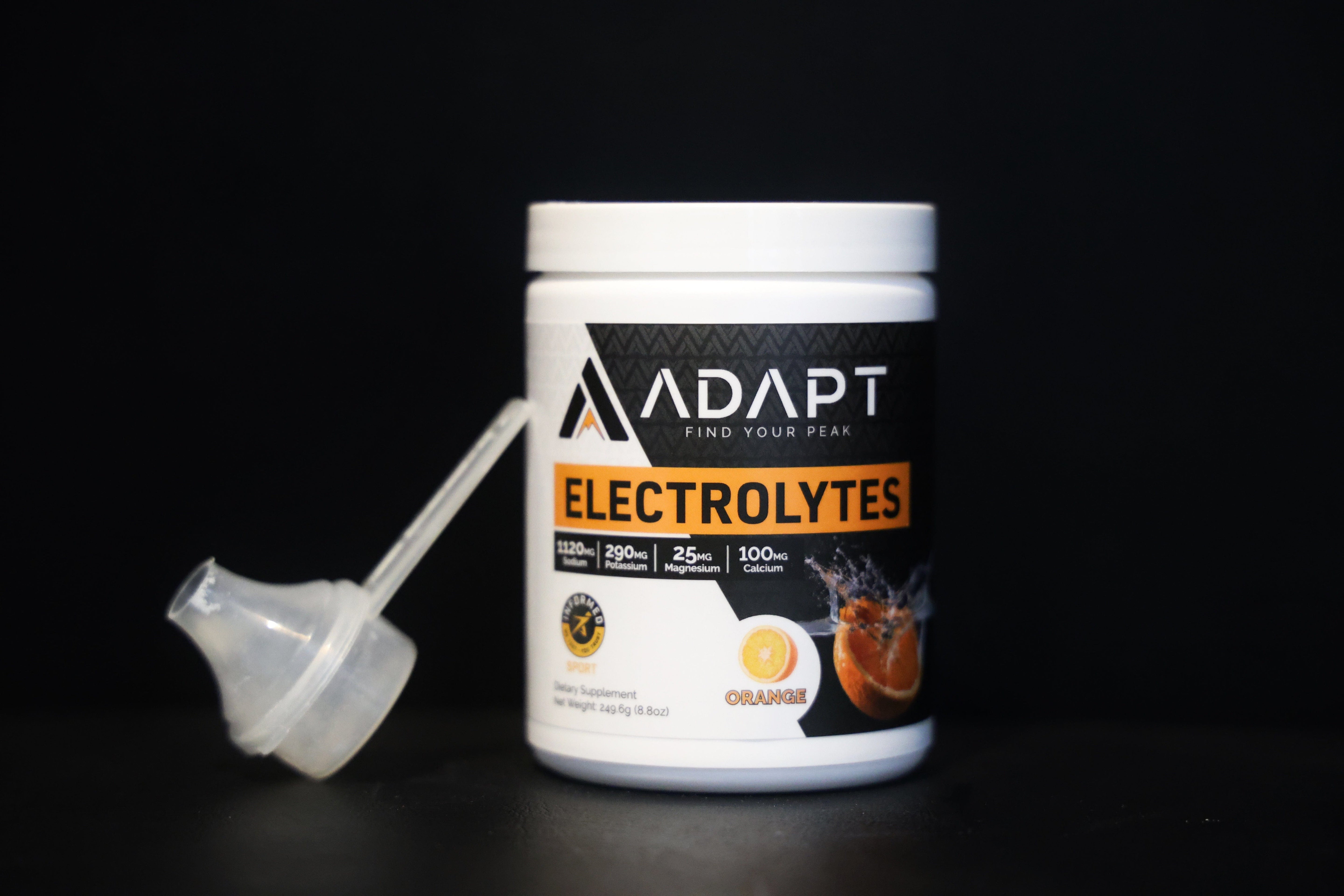
Proper hydration after sleep enhances cognitive function. Start your day with water or an electrolyte drink before your coffee to optimize energy levels. Herbal teas or electrolyte-rich drinks are excellent alternatives for caffeine-sensitive individuals.
Evening Beverage Management
To minimize sleep disruptions, manage your fluids carefully. Increase fluid intake throughout the day to avoid nocturnal bathroom trips. Consider caffeine-free beverages in the evening, as they promote relaxation without hindering sleep quality.
Conclusion
Balancing caffeine and hydration is crucial for energy and mental clarity. Mindful consumption of caffeine, tailored to individual needs, fosters a healthier lifestyle. Integrating effective hydration practices, especially for active individuals, leads to improved performance and well-being. Take control of your hydration strategy today, and find the balance that works for you.








Share:
Comprehensive Guide to Sustaining Fitness Motivation Year-Round
Comprehensive Hydration Guide for Athletes