

Introduction
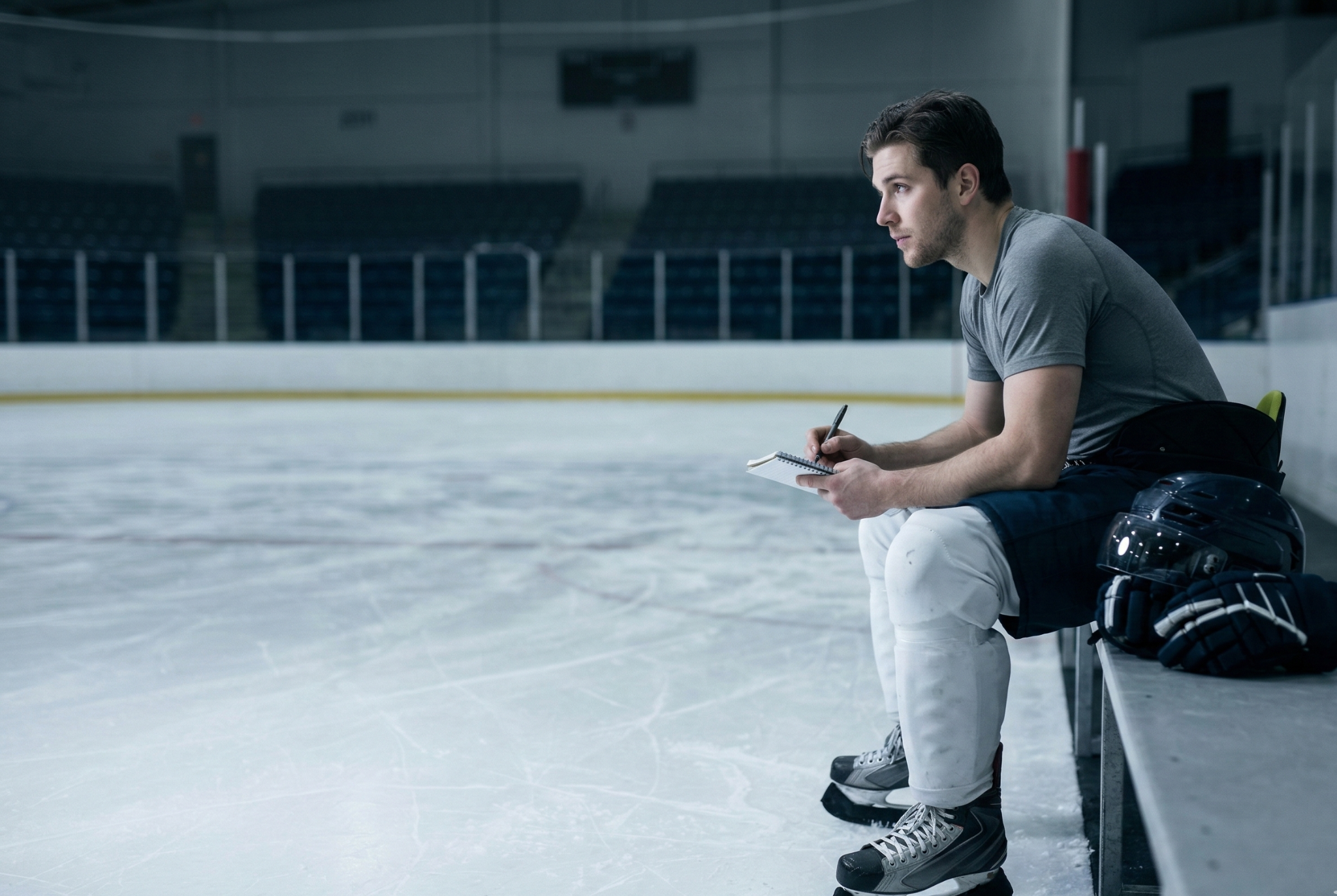
The end of the hockey season brings a chance for reflection. For juniors, college players, and youth athletes alike, this time is crucial. It is an opportunity to assess performance and prepare for upcoming challenges. Understanding what worked and what didn’t helps set the stage for future success. Let’s dive into strategies to elevate your game.
1. Self-Evaluation and Team Analysis
1.1 Personal Contributions
Begin by analyzing your pivotal moments during the season. How did your actions shape team dynamics? Consider leadership roles and collaboration with teammates. Every contribution counts. Acknowledging your role reveals growth opportunities.
1.2 Introspection for Growth
Take time for self-assessment. Identify strengths and weaknesses objectively. Establish individual goals for the offseason based on these insights. Setting specific targets fosters personal development.
2. The Dual Aspects of Recovery
2.1 Physical Recovery
Recovery is vital for physical health. Step back from the ice to explore other interests. This break from hockey allows both body and mind to reset. Don't forget to prioritize treatment for lingering injuries. Focus on rehabilitation to ensure full recovery.
2.2 Mental Recovery
Mental well-being is as important as physical. Engage in activities that relax and rejuvenate your mind. Meditation, yoga, or simply enjoying nature can improve focus and reduce stress. Mental clarity sets the tone for the upcoming season.
3. Off-Ice Training and Preparation
3.1 Foundation for Future Performance
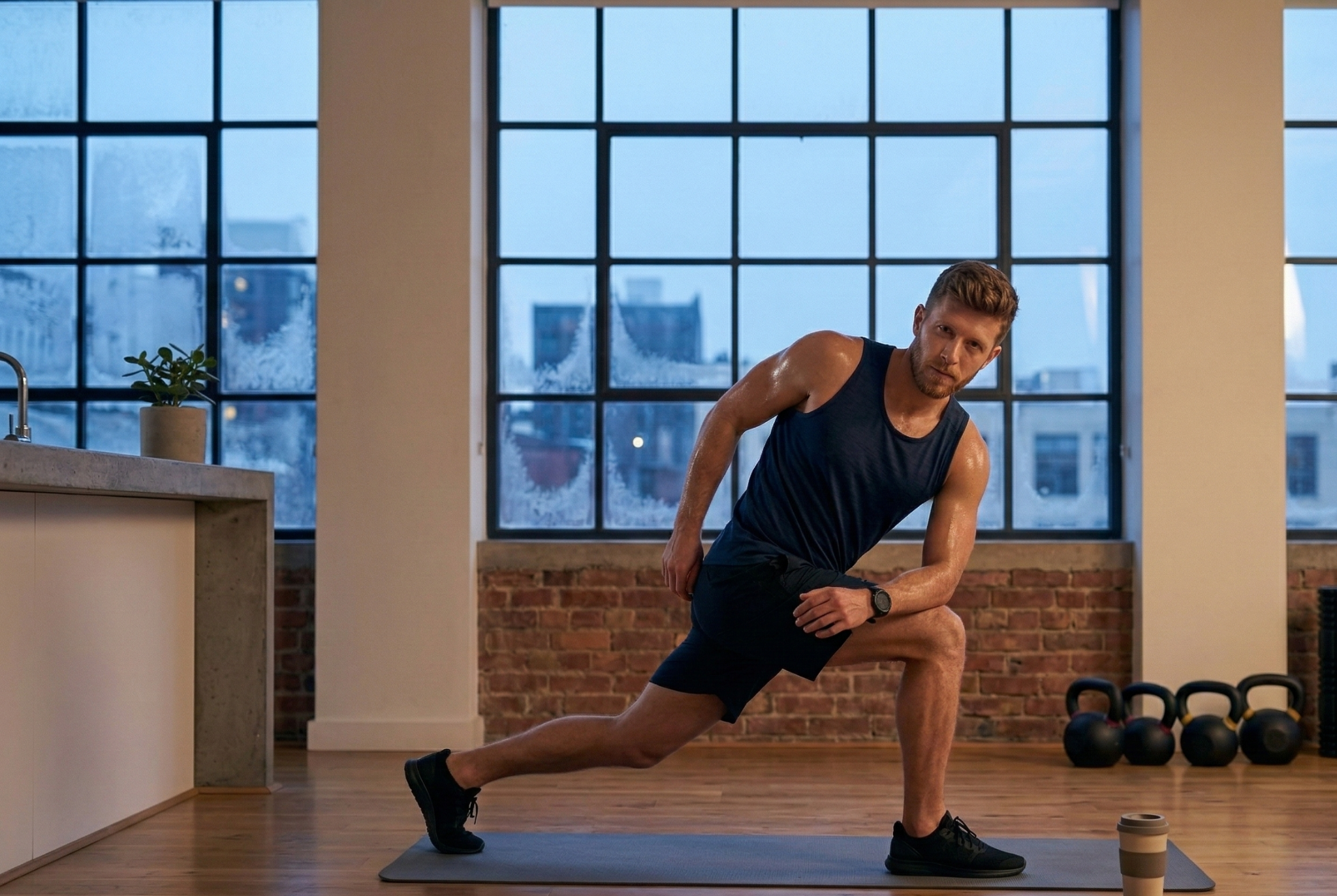
Off-ice training is fundamental. Incorporate low-impact workouts emphasizing flexibility and mobility. Joint stability is key, especially in shoulders, hips, and ankles. These exercises prepare your body for the physicality of the game.
3.2 Comprehensive Strength and Conditioning
Adopt a balanced strength training regimen. Focus on both strength and endurance. Consider tri-set workouts as opposed to single-joint exercises. Tailor your training schedule to align with seasonal goals for maximum effectiveness. Research from Prodero Hockey underscores the importance of sport-specific conditioning systems.
3.3 Structured Off-Season Plans
Follow insights from Chris Bodo’s 2025 Complete Off-Season Program. This plan emphasizes mobility, speed, and injury prevention. Implement recommended exercises from HockeyOT.com to boost on-ice performance, including full-body strength training.
4. Feedback and Continuous Improvement
4.1 Gathering Insights from Coaches
Seek feedback from coaches. Understanding areas for skills enhancement is crucial for growth. Utilize this feedback effectively to refine techniques and strategies. Continuous improvement is the athlete’s mantra.
4.2 Setting Realistic and Personalized Offseason Goals
Tailor your offseason plan to match personal aspirations and team dynamics. Adjust timelines based on playoff experiences or showcases. Be realistic in your goals to ensure sustained motivation.
Conclusion
A tailored and strategic approach to offseason preparedness is essential. These strategies not only prepare you physically but also mentally for the next season. Embrace this reflective period. Strive for personal and team growth. When you return to the ice, you’ll be ready for next-level competition.








Share:
Enhancing Your Performance: Adopting Elite Athletic Training Strategies
Training in Hot Conditions: Comprehensive Insights for Athletes