


Understanding Fasting: A Comprehensive Overview
1. Introduction to Fasting
Fasting isn’t just a trend; it’s a fundamental aspect of human history. Historically, it has served as a survival mechanism. Today, it’s a powerful health tool. It’s evolving; now we see fasting as a spectrum, not a strict binary choice.
2. Types of Fasting
Intermittent Fasting
This method involves short-term fasting periods, typically under 36 hours. Benefits include weight loss and improved metabolic function. Recent studies confirm these effects.
Extended Fasting
Longer fasting durations can lead to unique physiological changes and benefits. However, they require careful management.
Fasting Protocols
Techniques like the 5:2 method and Fasting Mimicking Diet focus on minimal caloric intake. Hormonal changes occur during fasting, increasing fat-burning hormones like insulin, growth hormone, and norepinephrine.
3. The Importance of Electrolytes During Fasting
Electrolytes play a crucial role. Sodium loss can parallel metabolic processes, akin to a snake shedding its skin.
Risks of Imbalances
Water alone cannot fulfill hydration needs; it can mislead. Electrolyte imbalances can lead to serious issues like hyponatremia, especially pertinent for athletes and fasting practitioners.
Hydration Recommendations
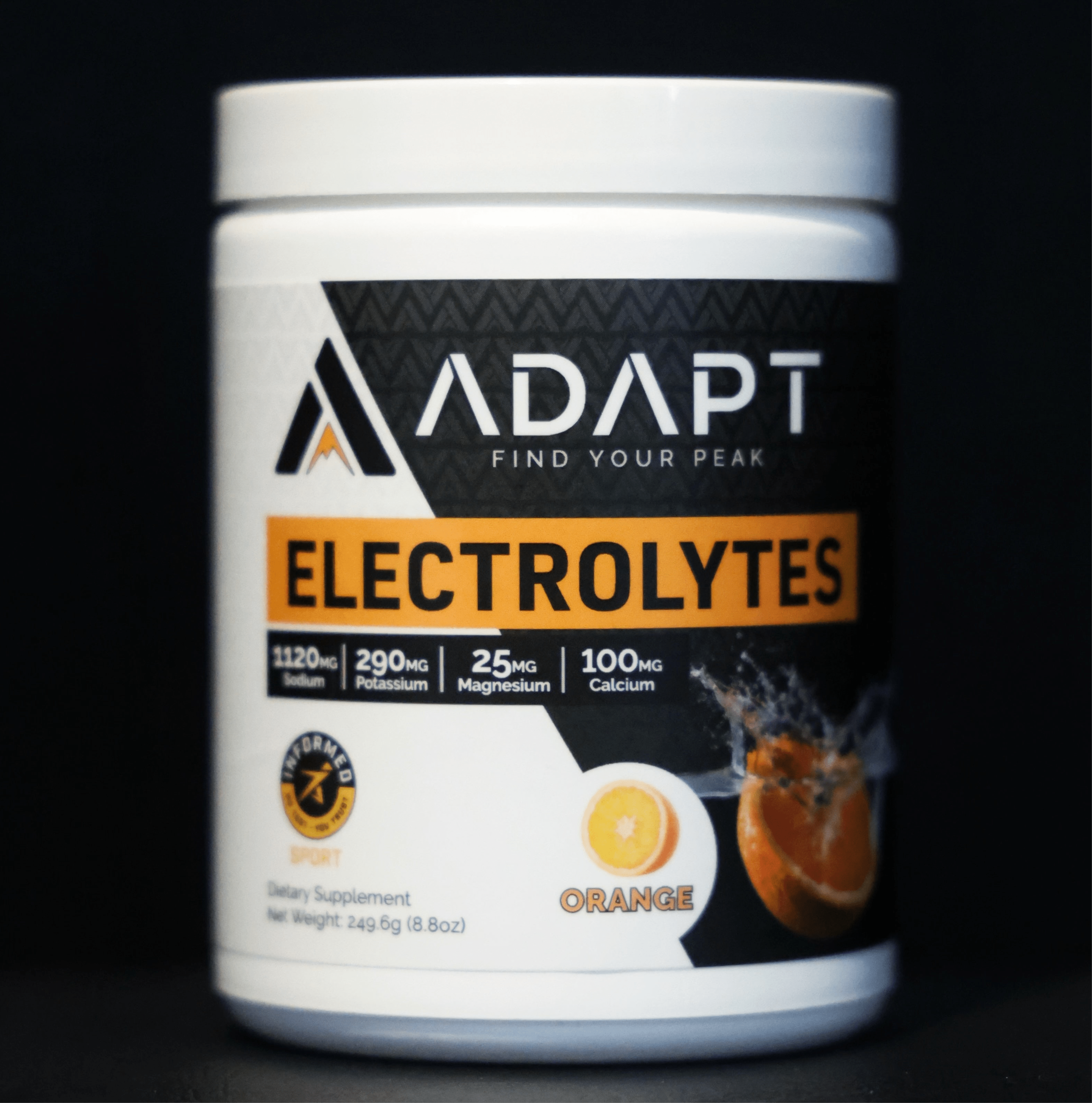
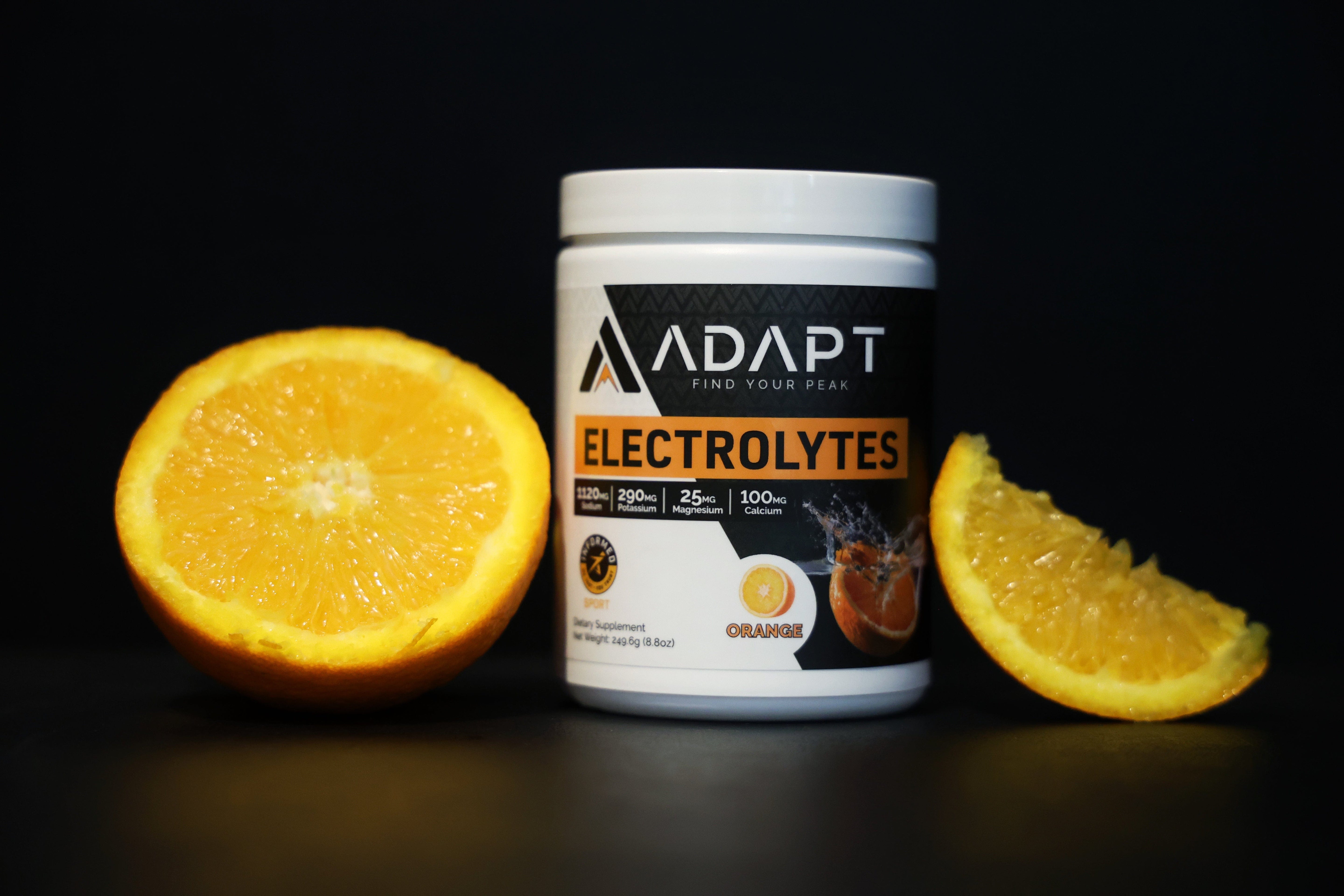
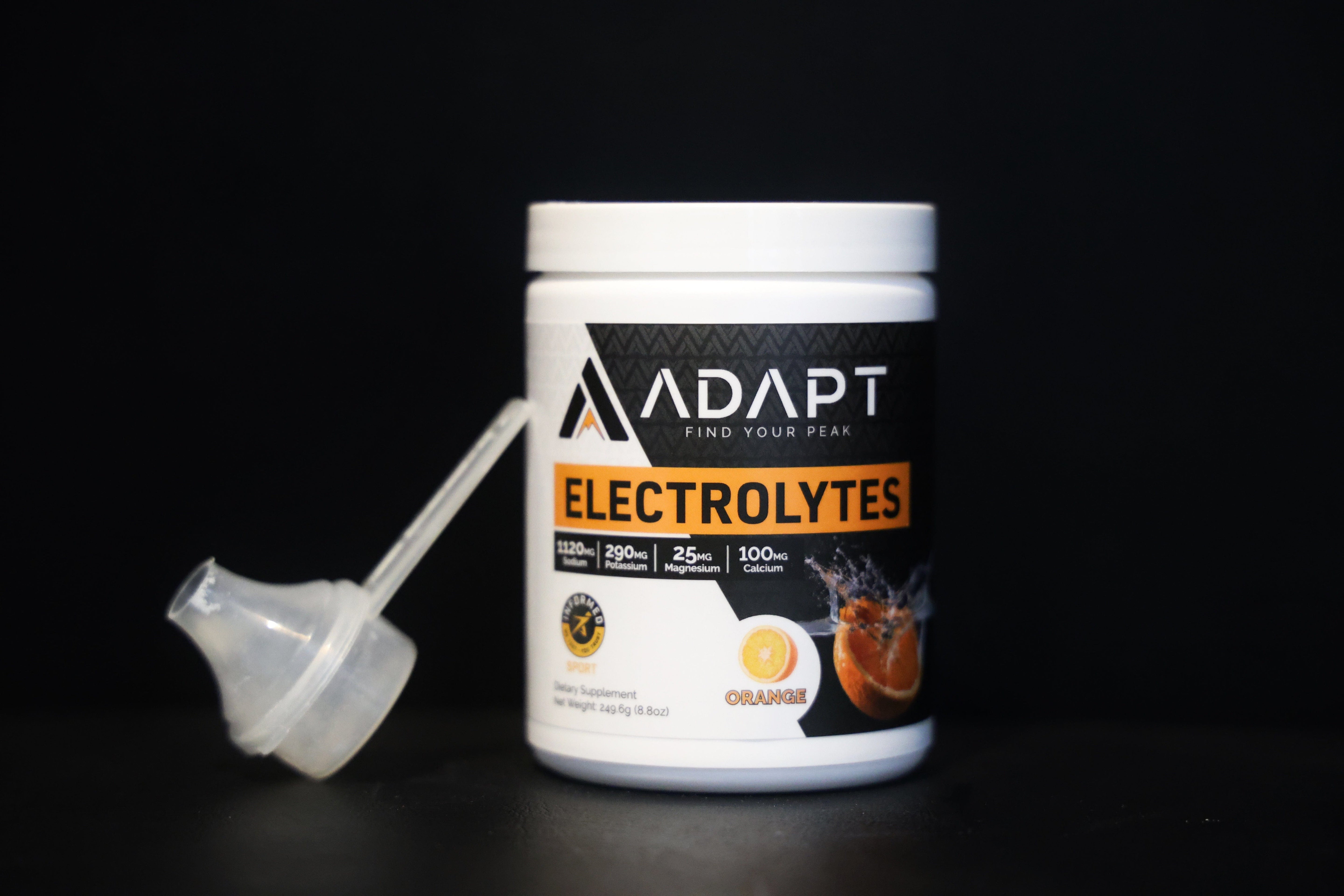
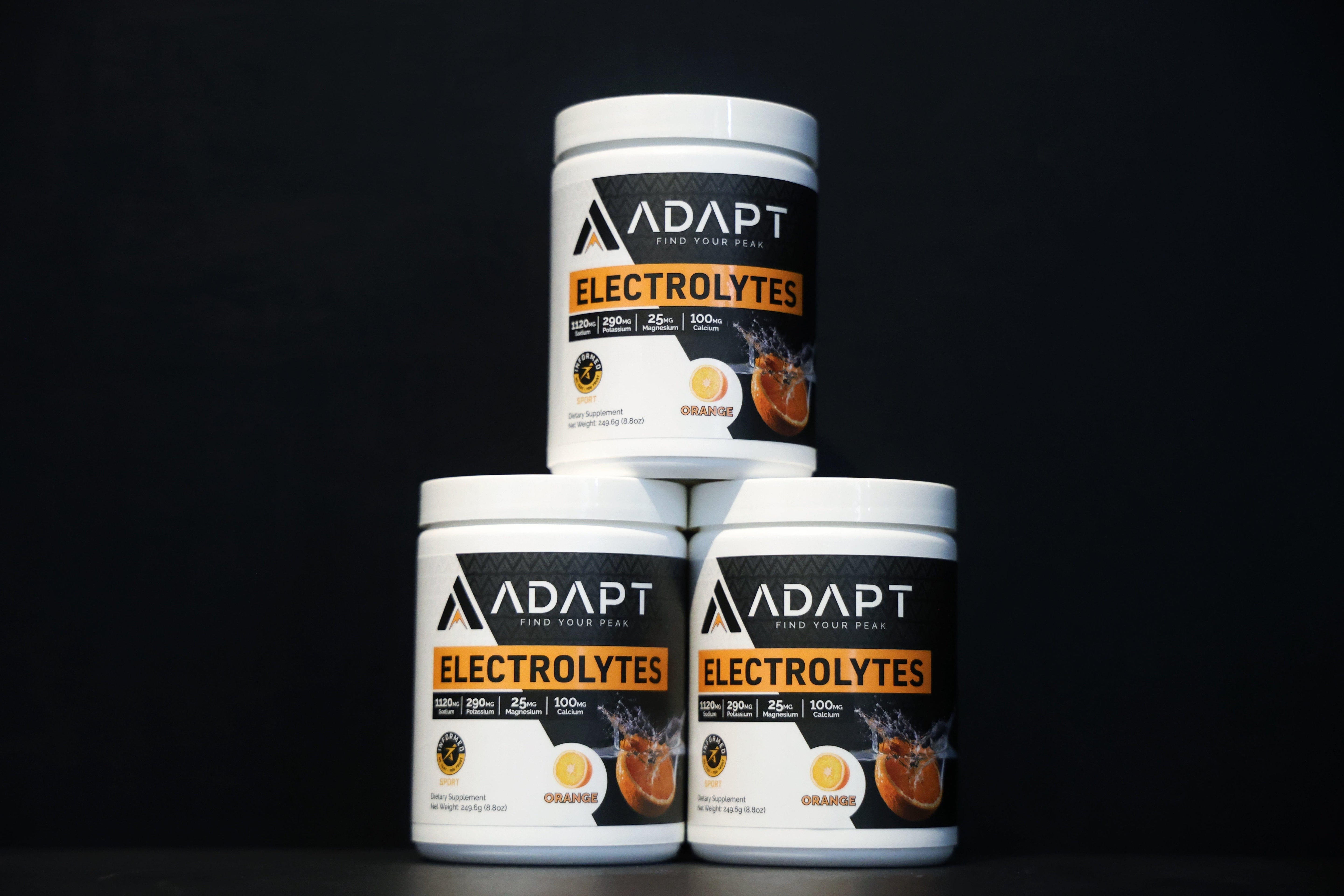
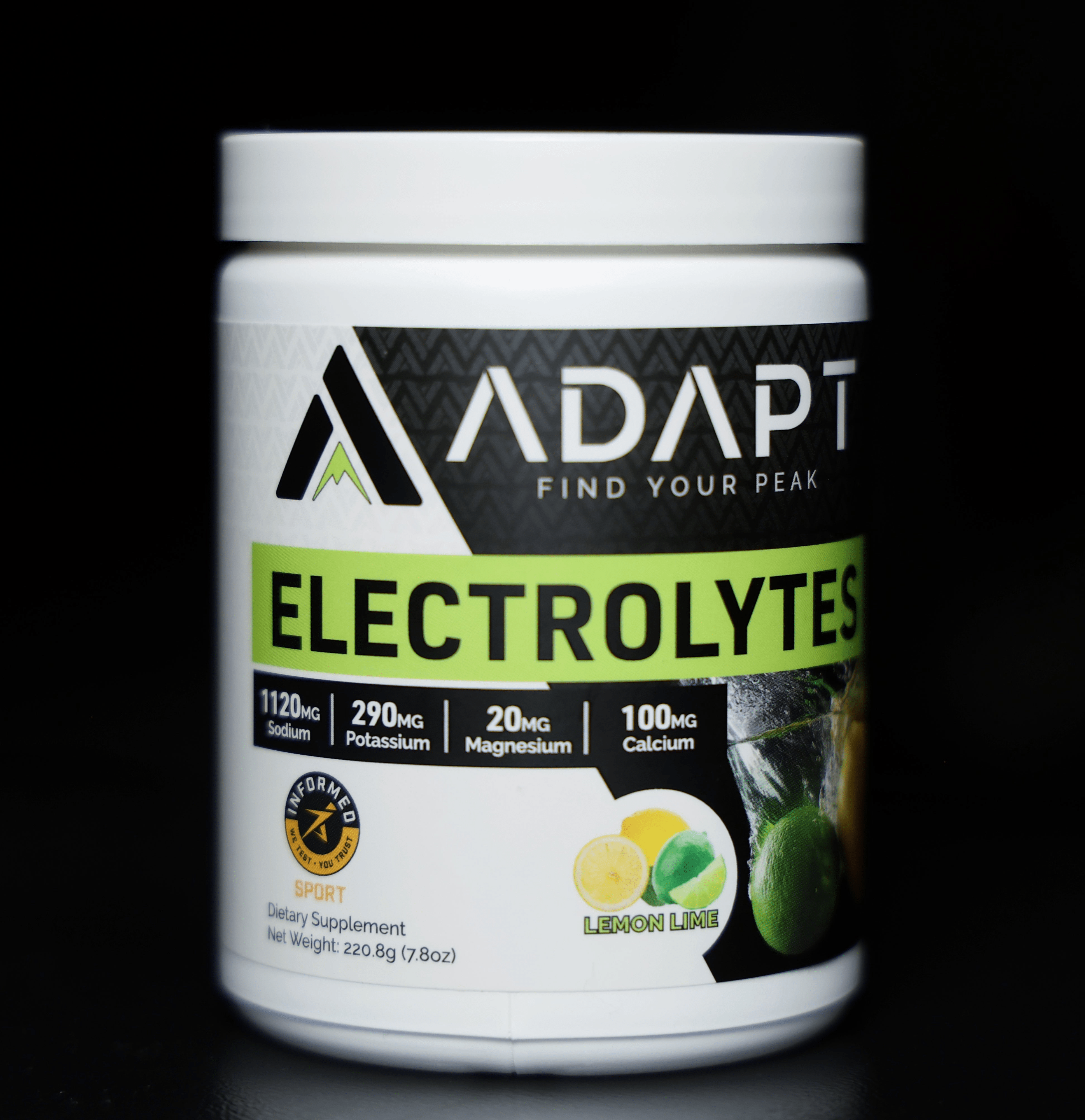
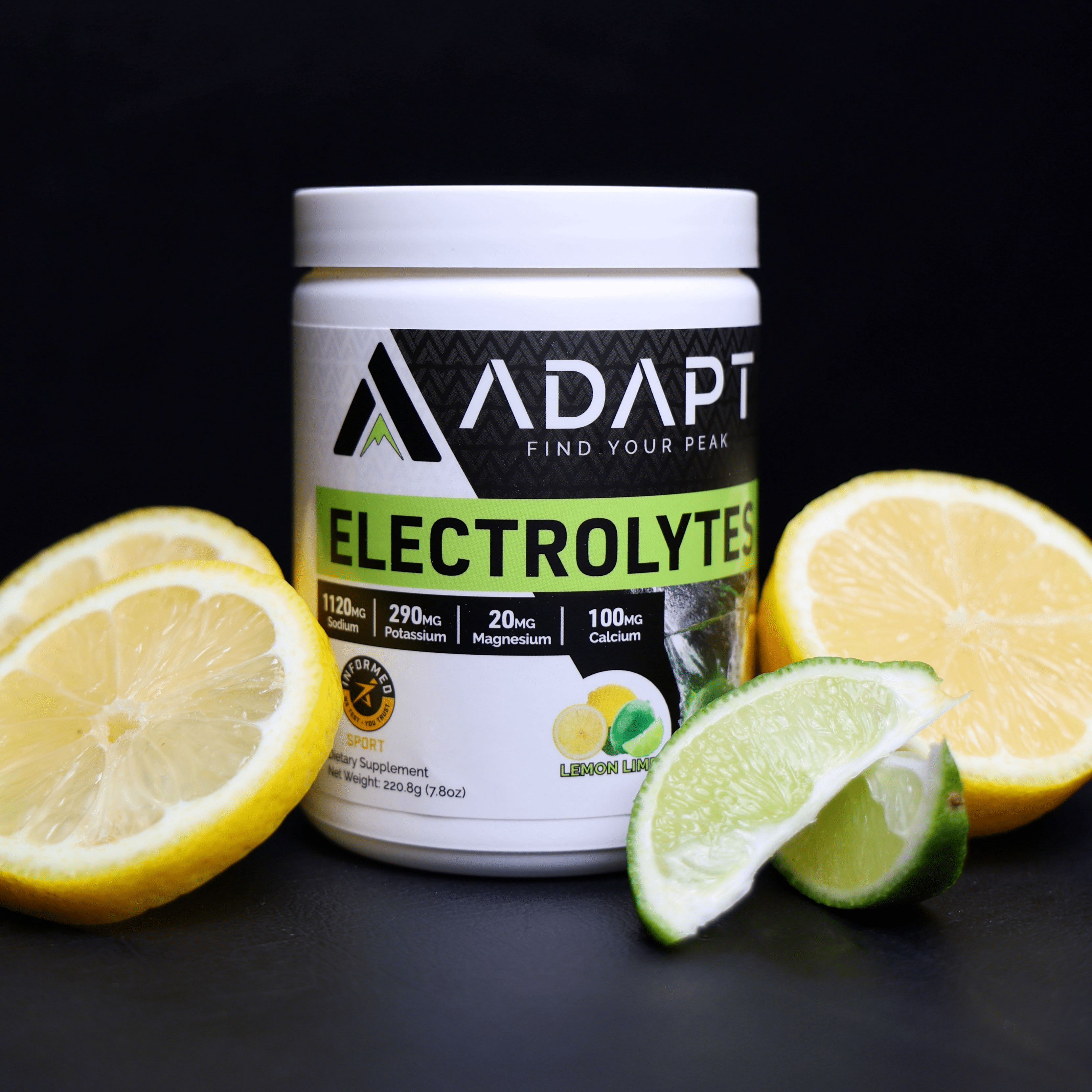
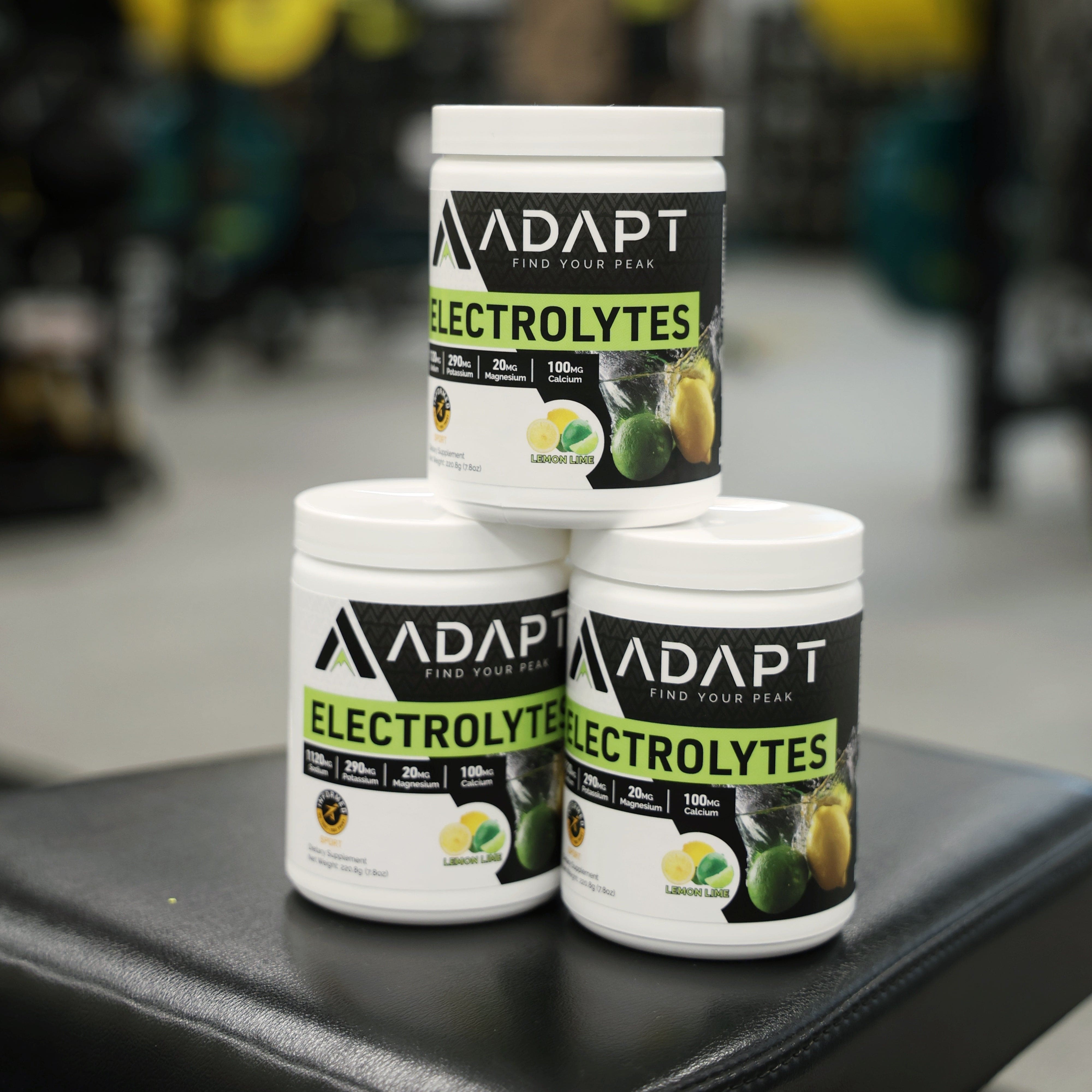
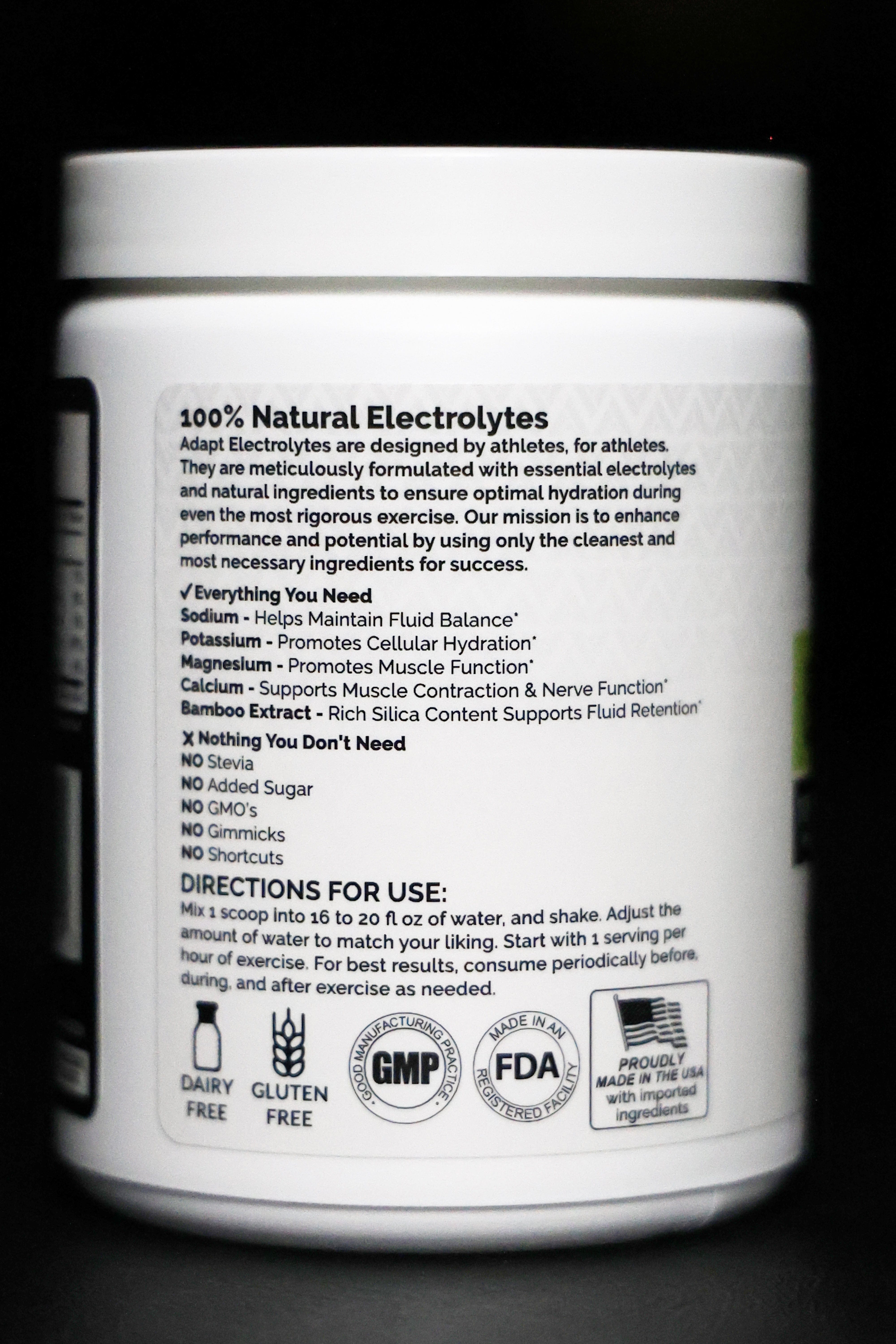
Opt for electrolyte-enriched water over excessive plain water. Some notable products, like Adapt Nutrition’s electrolyte powder, provide essential minerals without sugar or fillers.
4. What Can Be Consumed During Fasting?
Non-Caloric Beverages
Water, coffee, and tea are great fast-friendly options. Dive deeper into studies on their effects on fasting.
Minimal Impact Foods
Bone broth is an acceptable choice, offering hydration with minimal protein. Even a small quantity of honey can align with fasting benefits, provided it’s measured carefully.
5. The Intersection of Fasting and Health Benefits
Fasting is increasingly linked to positive outcomes for metabolic syndrome, as evidenced in systematic reviews. Long-term implications of intermittent fasting show promising research findings. Always consult healthcare professionals to tailor fasting regimens, especially with existing health conditions.
6. Navigating the Fasting Journey
Moderation is vital. Recommended fasting durations of 13 to 18 hours can mitigate adverse effects. It’s critical to understand how to break a fast correctly to optimize hormonal responses.
Engage in mindful fasting. Align personal health goals with acceptable practices.
7. Conclusion
Fasting is a nuanced practice that must balance restriction with wellness. Explore the multifaceted benefits of fasting while maintaining proper hydration through clean electrolytes. As research on fasting evolves, keep an eye on future studies related to longevity and metabolic pathways.
Incorporate high-quality, clean electrolyte supplements, like those from Adapt Nutrition, into your routine. They’re formulated for performance, keeping you hydrated and focused.








Share:
Electrolyte Powder for Optimal Hydration: What Athletes Need to Know
Essential Post-Run Stretching: Unlock Your Best Performance